
Fabric GSM Guide for Boys’ Shirts: What Wholesale & Private Label Buyers Should Know
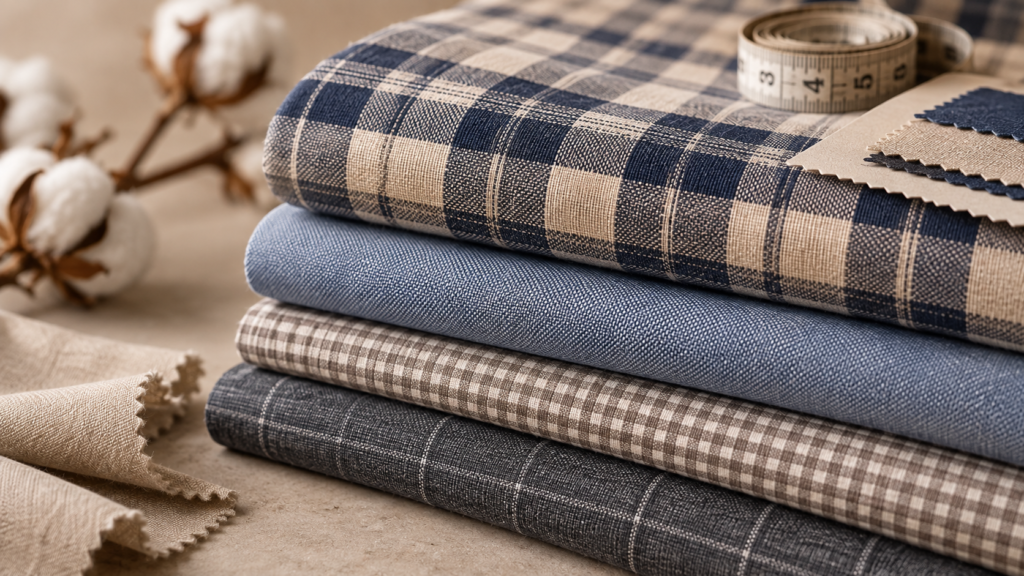
“What GSM is this fabric?” is one of the first questions any serious wholesale or private-label buyer asks — and it’s a fair one. GSM (grams per square metre) is the single number that tells you the most about how a fabric will feel, wear, and hold up, before you’ve even touched it. Here’s a plain-language guide to what GSM actually means for boys’ shirts, how it compares across the fabric types we work with, and how to pick the right weight for what you’re selling.
What GSM Actually Means
GSM measures the weight of a fabric per square metre — the higher the number, the denser and heavier the cloth. It’s a simple way to compare fabrics objectively instead of relying on how a swatch feels between two fingers, which varies from person to person. Two shirts can look identical in a photo and still feel completely different once you’re holding a size run of them — GSM is why.
Lighter vs Heavier Fabric — What Changes
- Lighter fabrics breathe better, drape softer, and suit hot-weather markets — but they crease more easily and show less structure.
- Heavier fabrics hold their shape better, feel more substantial to the customer, and photograph “richer” — but cost more and suit cooler seasons better.
Neither is objectively “better” — it depends entirely on your climate, season, and what your customer expects to pay for.
Our Fabric Groups, Compared
Turkish Imported Fabric
Our heaviest, most premium option — a self-textured weave with a noticeably richer hand-feel than standard cotton. Sits at the top pricing tier and suits boutiques and premium retail positioning, where the fabric itself is part of what the customer is paying for.
Cotton Check
A mid-weight, yarn-dyed plaid and tartan check shirting — the strongest all-round seller across our wholesale catalogue. Substantial enough to feel like real value, light enough for everyday, year-round wear.
Cotton / Cotton-Blend
Our lightest, most breathable option, priced for volume-focused buyers. The right choice when your customer is shopping on price and comfort more than fabric prestige.
How to Pick the Right Weight for Your Order
- Know your climate. Hot, humid markets favour lighter cotton; cooler markets can carry heavier Turkish fabric year-round.
- Know your price point. Heavier, premium fabric supports a higher retail price — make sure your target customer is willing to pay for it.
- Ask for a swatch before you order. A photo never tells you how a fabric actually feels — request a physical sample swatch, not just a picture, before committing to a bulk order.
- Match GSM to garment weight expectations. A private-label buyer building a “premium” brand position should generally avoid the lightest-weight option, even if it’s cheaper — the fabric is part of the brand promise.
Frequently Asked Questions
Can I request a specific GSM for a private-label order?
Yes — private-label and OEM orders can specify a target GSM, and we’ll match it to an appropriate fabric option during sampling.
Does heavier fabric always mean better quality?
Not necessarily — it means a different feel and use case. A well-made lightweight cotton shirt can be higher quality than a poorly constructed heavy one. Weight and construction quality are separate things.
Can I get swatches of all three fabric groups before ordering?
Yes — reach out via WhatsApp or the contact page and we can arrange fabric swatches alongside your sample request.
Ready to see these fabrics on an actual style? Browse the wholesale catalogue, or bring your own GSM target to a private label project.